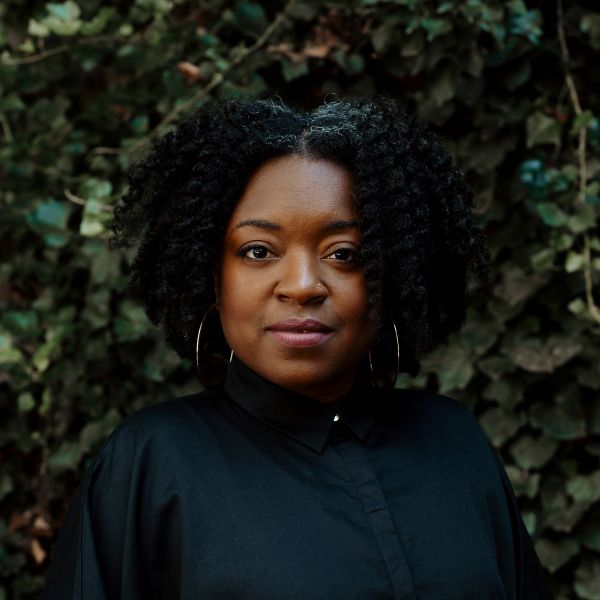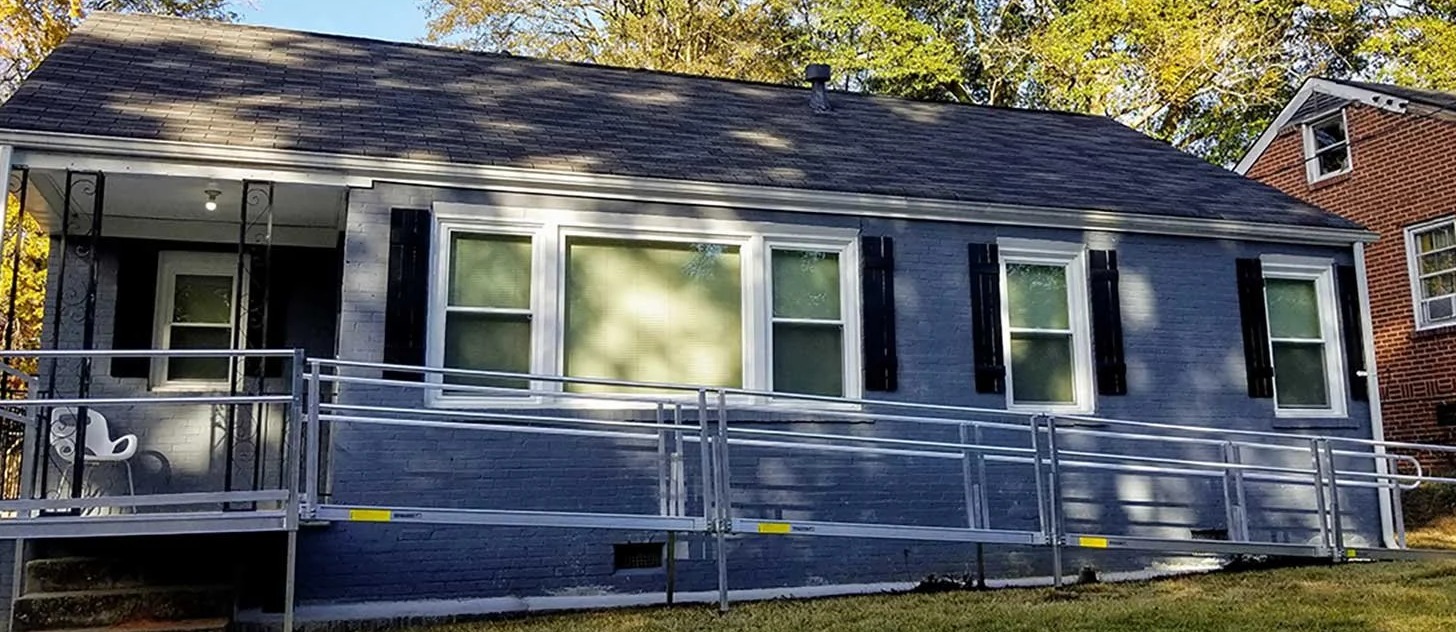

Access is often treated as a building feature: a ramp, an elevator, a wide door. In Sami Schalk’s work it is a relationship between people, planned before an event starts and shared by everyone in the room. Schalk is a professor of Gender and Women’s Studies at the University of Wisconsin-Madison. In her own biography she writes that she “identifies as a fat, Black, queer, disabled femme and a pleasure activist.”
Her book Black Disability Politics, published by Duke University Press in 2022, documents disability as a political issue inside Black activism from the 1970s to the present. She draws on the archives of the Black Panther Party and the National Black Women’s Health Project, alongside interviews with contemporary Black disabled cultural workers. Her earlier book, Bodyminds Reimagined, published in 2018, works on disability, race, and gender in Black women’s speculative fiction.
The book’s historical anchor is 1977. Disabled protesters picketed and occupied government offices around the country to press federal officials to issue the delayed regulations for Section 504 of the Rehabilitation Act of 1973, the law barring disability discrimination in federally funded programs. Schalk’s research documents the Black Panther Party’s support work for the occupation in San Francisco, an example of access built by a community for itself rather than requested after the fact.
The test this sets for an ordinary community group is practical. Who sets the access plan: the disabled people who will use it, or a committee reviewing it after the fact? Is the cost of interpretation, captioning, or a scent free room part of the event budget, or a favor done for one attendee? A notice that states step free entry, remote attendance, and how to request interpretation answers those questions before they have to be asked.
Anita Cameron’s record carries the same politics at street level. A June 25, 2024 event biography published by Not Dead Yet describes Cameron as a Black disabled lesbian and, at that time, records 42 years of social change activism and 140 arrests with ADAPT. It also documents organizing in transportation, healthcare, voting rights, emergency preparedness, and LGBTQIA2S+ nondiscrimination.
The disability justice framework these records belong to has a longer lineage, including the framework set out by Patty Berne and Sins Invalid and Mia Mingus’s writing on access intimacy. Schalk’s research and Cameron’s organizing show access as collective work: planning and changing conditions so people can take part.